
On a June 12 morning in Nigeria, the atmosphere feels different.
Government offices are closed. Schools are quiet. Workers enjoy a day off. Yet for millions of Nigerians, Democracy Day is more than just a public holiday. It is a day loaded with memories, sacrifice, and one of the biggest political injustices in the nation’s history.
Many young Nigerians know June 12 as Democracy Day, but not everyone understands why it is celebrated or why it replaced May 29. The answer lies in a remarkable election, a stolen mandate, and a struggle that helped shape modern Nigeria.
The Election That Changed Everything
To understand why June 12 matters, we have to return to 1993.
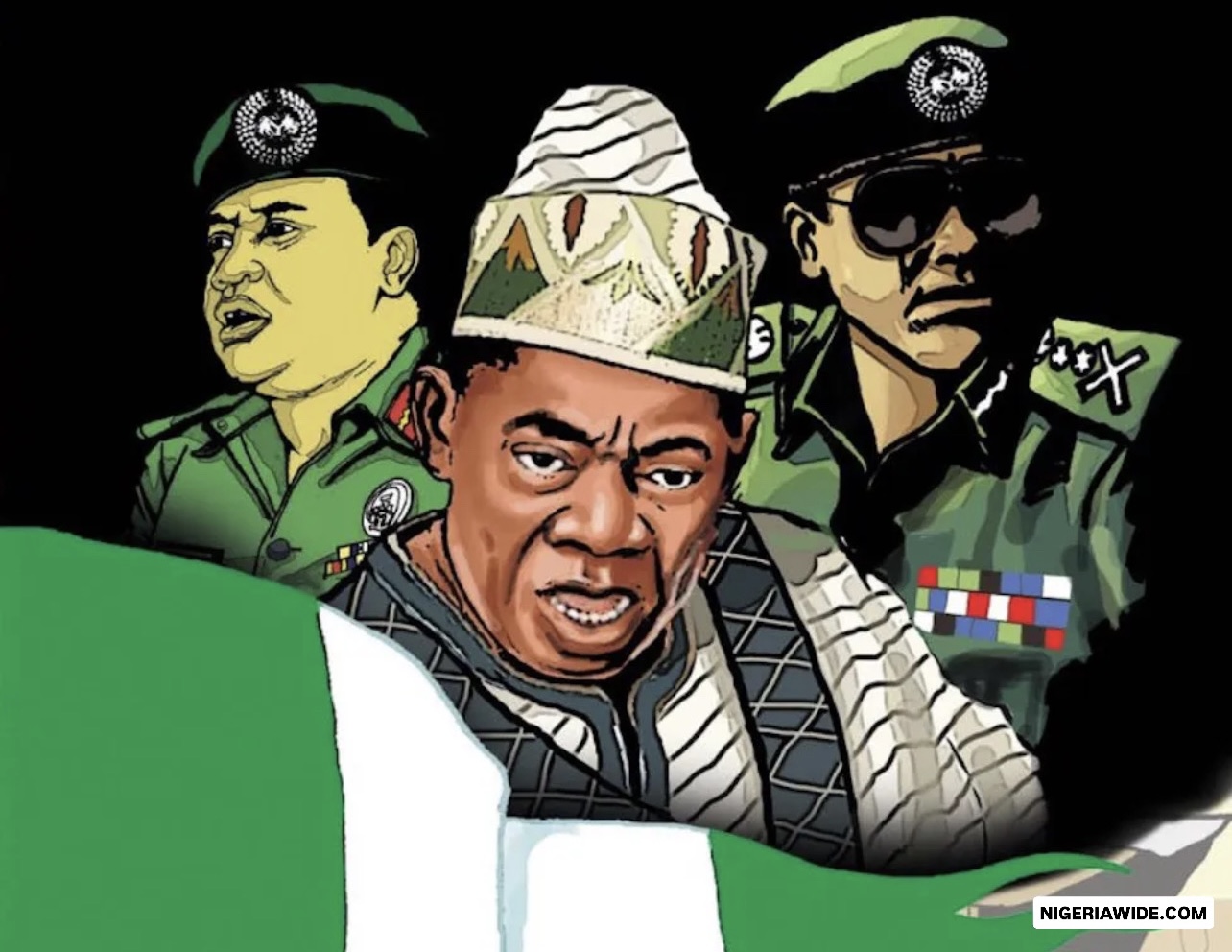
Nigeria was under military rule, and after years of uncertainty, citizens were desperate for a democratic government. When the presidential election was held on June 12, 1993, something extraordinary happened.
For once, ethnic and religious divisions seemed less important than the desire for change. Nigerians voted across regional lines. People chose candidates based on hope rather than tribe. There was a genuine belief that the country was about to turn a corner.
Chief Moshood Kashimawo Olawale (MKO) Abiola of the Social Democratic Party was widely regarded as the winner of the election. Domestic and international observers described the poll as one of the freest and fairest elections Nigeria had ever conducted.
Then came the shock.
The military government annulled the election before the final result could be officially declared.
The decision triggered outrage across the country. Protests erupted. Activists took to the streets. Newspapers challenged the military authorities. Ordinary Nigerians demanded that their votes be respected.
What should have been a celebration of democracy became one of the darkest chapters in Nigeria’s political history.
The Man Who Became a Symbol
At the center of the June 12 story was MKO Abiola.
Abiola was already a successful businessman and philanthropist long before he entered politics. Across Nigeria, he was known for supporting educational, religious, and community projects.
But history remembers him most for what happened after the election.
Rather than abandon the mandate Nigerians had given him, Abiola continued to insist that the election result should be recognized. His stand brought him into direct conflict with the military regime.
In 1994, he declared himself president based on the election he believed he had won. He was subsequently arrested and detained.
For years, he remained in custody.
Then, on July 7, 1998, Abiola died before he could enjoy the victory many Nigerians believed was rightfully his.
His death transformed him from a politician into a symbol of democratic resistance. To many Nigerians, June 12 is not only about an election. It is also about the sacrifices made by Abiola and countless others who fought against military rule.
Why June 12 Replaced May 29
For nearly two decades, Nigeria celebrated Democracy Day on May 29.
The date marked the return to civilian rule in 1999 when President Olusegun Obasanjo was sworn into office after years of military governance. While that transition was significant, many Nigerians felt it did not fully recognize the struggle that made democratic rule possible.
The real battle, they argued, began on June 12, 1993.
That election became the rallying point for pro-democracy movements and increased pressure on military governments. The sacrifices made after the annulment eventually contributed to Nigeria’s return to civilian rule.
In 2018, President Muhammadu Buhari officially moved Democracy Day from May 29 to June 12.
The decision was widely seen as a recognition of historical reality. It acknowledged the significance of the 1993 presidential election and honored MKO Abiola’s contribution to Nigeria’s democratic journey.
For many Nigerians, it was a correction long overdue.
Why June 12 Still Matters Today
More than three decades after the election, the questions raised by June 12 remain relevant.
Nigeria now operates under democratic rule, but many citizens still struggle with economic hardship, unemployment, insecurity, and concerns about governance. Elections continue to take place, yet many people wonder whether democracy is delivering the benefits they expected.
That is why June 12 remains important.
It reminds Nigerians that democracy is not simply about casting votes every four years. It is about accountability, justice, transparency, and leadership that improves people’s lives.
The spirit of June 12 also offers a powerful lesson about unity. In a country often divided by ethnicity and religion, the 1993 election showed that Nigerians could come together around a shared vision for the future.
That lesson is perhaps even more valuable today.
Preserving the Flame of Democracy
Every Democracy Day offers Nigerians an opportunity to reflect on how far the country has come and how far it still needs to go.
June 12 is a reminder that democracy was not handed to Nigerians on a silver platter. It was earned through sacrifice, courage, and persistence. People risked their freedom, careers, and even their lives so that future generations could have a voice.
The story of June 12 is ultimately the story of Nigerians refusing to be silenced.
As the nation marks another Democracy Day public holiday, the challenge is not simply to remember the past. It is to build a future worthy of those who fought for democracy.
The struggles of the June 12 era remind us that democracy is a journey rather than a destination. The right to vote, freedom of expression, an independent press, and accountable leadership are achievements that require constant protection. They cannot be taken for granted.
For older Nigerians, June 12 brings back memories of protests, uncertainty, and the determination of ordinary citizens who demanded that their voices be heard. For younger generations, it serves as a history lesson about the price that was paid for the democratic freedoms enjoyed today.
More importantly, it challenges every Nigerian to participate in the democratic process, hold leaders accountable, and work toward a nation where justice and opportunity are available to all.
More than thirty years after the historic election, June 12 remains a symbol of hope, resilience, and the enduring belief that the will of the people matters.
That responsibility belongs to everyone.

Add Comment