
- June 14, 2026
- 192
- Governance
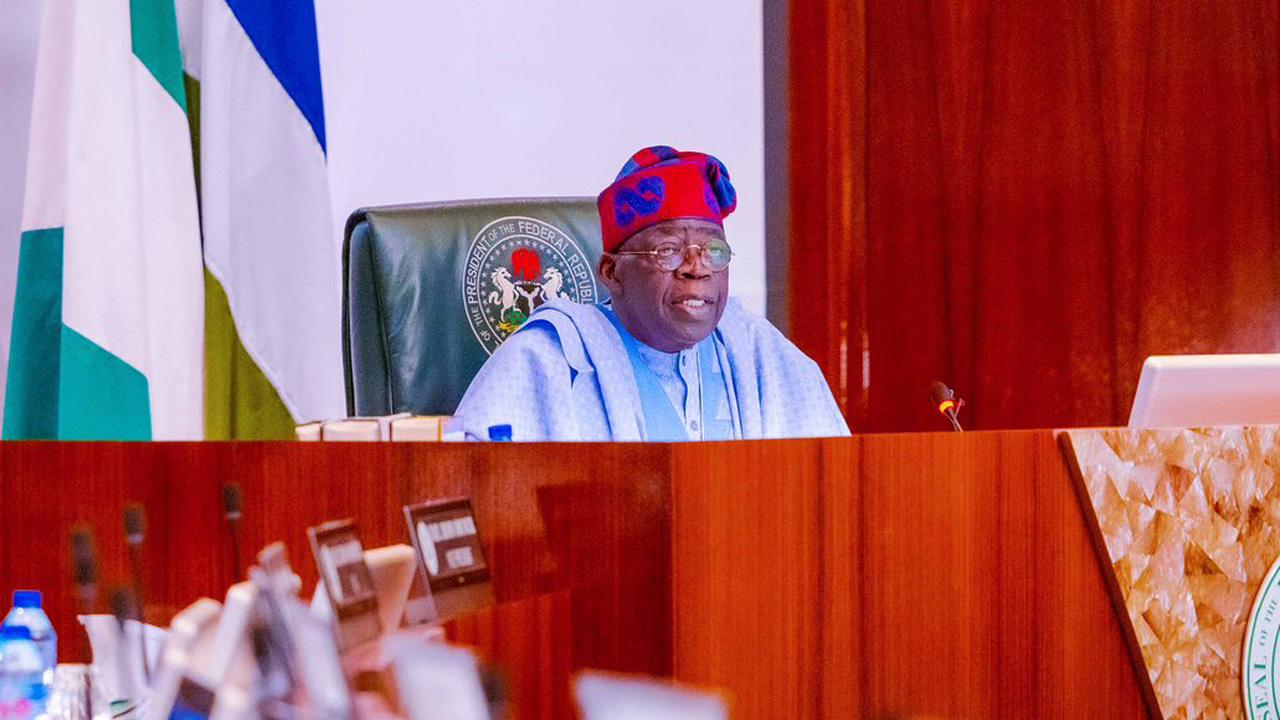
ABUJA — President Bola Ahmed Tinubu on Thursday used his Democracy Day address to defend his administration’s economic reforms, reaffirm commitment to tackling insecurity, and honour the men and women whose sacrifices helped restore democratic rule in Nigeria.
Speaking before a joint session of the National Assembly as the country marked another June 12 celebration, the President painted a picture of a nation undergoing painful but necessary transformation. He argued that difficult decisions taken since assuming office were beginning to reposition Africa’s largest economy, even as millions of Nigerians continue to struggle with rising living costs and economic uncertainty.
The Tinubu Democracy Day speech 2026 came against the backdrop of persistent inflationary pressures, concerns over food prices, security challenges in parts of the country, and growing public expectations for tangible economic relief.
Although the speech covered a broad range of issues, ten major themes stood out.
Economic Reforms Are Here to Stay
Perhaps the strongest message from the President was that there would be no reversal of key economic reforms introduced by his administration.
Tinubu defended policies such as fuel subsidy removal and foreign exchange market reforms, insisting that previous economic arrangements had become unsustainable.
According to him, the reforms were necessary to stabilize public finances, attract investment, and create conditions for long-term growth.
For many Nigerians, however, the immediate concern remains the same: when will the benefits begin to outweigh the hardship?
Security Remains at the Centre of Government Priorities
The President also devoted considerable attention to the security situation across the country.
He acknowledged the sacrifices of members of the armed forces and security agencies while assuring Nigerians that government operations against terrorists, bandits, kidnappers, and criminal networks would continue.
His remarks come at a time when several communities across northern Nigeria continue to face security threats despite ongoing military operations.
While official figures point to successes in certain areas, many citizens still measure progress by one simple standard — whether they can travel and live safely.
Democracy Must Improve Lives
A recurring theme throughout the address was the idea that democracy must extend beyond elections and political transitions.
The President argued that democratic governance should ultimately translate into better living conditions, economic opportunities, and stronger institutions.
It was a statement likely intended to resonate with ordinary Nigerians who increasingly judge governments not by campaign promises but by conditions in markets, workplaces, and households.
June 12 Heroes Took Centre Stage
No Democracy Day speech would be complete without reflecting on the significance of June 12, 1993.
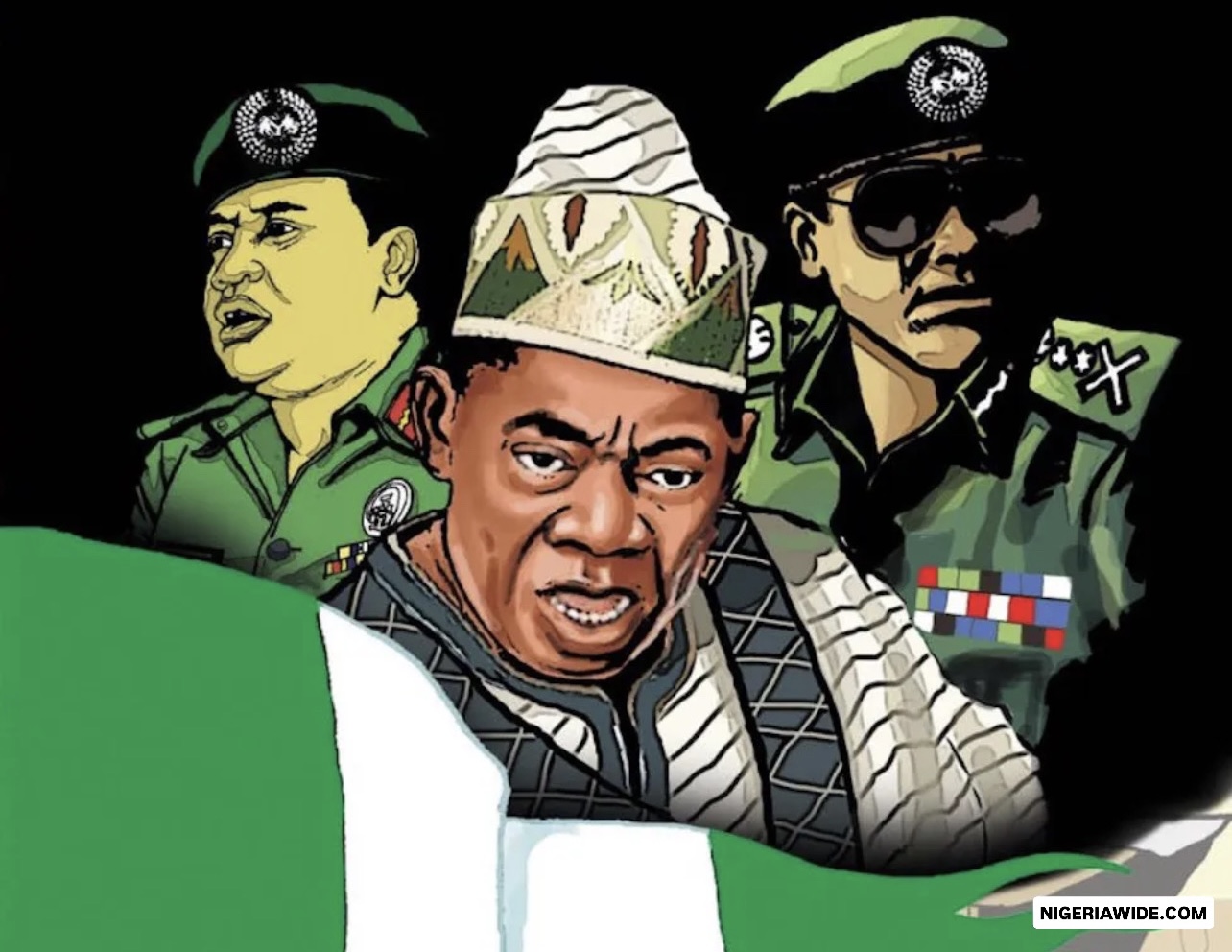
Tinubu paid tribute to Chief MKO Abiola and numerous activists who challenged military rule during one of the most turbulent periods in Nigeria’s political history.
The President described their sacrifices as foundational to the democratic freedoms Nigerians enjoy today.
Related: The True Story Behind Nigeria’s Democracy Day: Why June 12 Matters
For many observers, this historical reflection remains one of the most important aspects of the annual Democracy Day commemoration.
National Honours for Pro-Democracy Figures
One of the notable moments of the address was the recognition of individuals associated with the June 12 struggle.
The conferment of national honours on pro-democracy activists, journalists, political leaders, and civil society figures was presented as an effort to preserve the legacy of those who fought for democratic rule.
The move drew applause inside the chamber and renewed discussions about how Nigeria remembers its democratic heroes.
A Reflection on Twenty-Seven Years of Civil Rule
The President also highlighted Nigeria’s uninterrupted democratic journey since 1999.
He pointed to peaceful transfers of power, constitutional governance, and the strengthening of democratic institutions as evidence of progress.
Yet he acknowledged that democracy remains a work in progress, requiring continuous commitment from both leaders and citizens.
That acknowledgement may be one of the least controversial observations in Nigerian politics today.
Infrastructure and Power Were Linked to Economic Recovery
Tinubu again stressed the importance of infrastructure development in achieving economic growth.
Road projects, transportation investments, and ongoing efforts to improve electricity supply featured prominently in his remarks.
The administration believes improved infrastructure will lower business costs, encourage industrial expansion, and create employment opportunities.
Business owners, meanwhile, continue to watch developments in the power sector closely, given the impact of electricity costs on production and daily operations.
Food Inflation Remains the Biggest Test
Although the President expressed optimism about economic recovery, the issue of food prices continues to dominate public conversations.
Across major cities and rural communities alike, the cost of basic food items remains a source of concern.
Government officials maintain that agricultural interventions, improved logistics, and enhanced security in farming communities will gradually ease pressure on food prices.
Whether those measures produce visible results in the coming months could significantly shape public perception of the administration’s economic agenda.
National Unity Was Emphasized
Against a backdrop of political and regional tensions, the President called for greater unity among Nigerians.
He urged citizens to focus on shared national interests rather than ethnic, religious, or political differences.
The appeal reflects a long-standing challenge in Nigerian governance — how to build consensus in one of the world’s most diverse nations.
The Administration Is Looking Beyond Immediate Challenges
Perhaps the broader message woven throughout the speech was that the government sees its reforms as part of a longer journey.
The President repeatedly suggested that the country is laying foundations rather than pursuing quick fixes.
That argument may appeal to investors and policy analysts. It may be less convincing to families dealing with rising household expenses.
And therein lies the central challenge facing the administration.
Mixed Reactions Trail Address
Political analysts described the speech as a combination of reassurance, reflection, and policy defence.
Supporters of the administration argued that the President successfully outlined progress made since taking office and reaffirmed his commitment to democratic governance.
Critics, however, noted that many Nigerians remain more concerned about food prices, purchasing power, unemployment, and security than macroeconomic indicators.
On social media, reactions were similarly divided.
Some praised the President’s emphasis on national unity and democratic values. Others questioned whether economic reforms are translating into meaningful improvements in everyday life.
As Nigerians celebrate another Democracy Day, attention is likely to shift quickly from speeches and ceremonies to practical realities.
Can inflation be brought under control? Will security improve further? Can ordinary citizens begin to feel the impact of reforms in their pockets?
Those questions remain unanswered.
For now, President Tinubu has restated his vision for the country. The months ahead will determine how that vision is judged by Nigerians.


Add Comment