
- June 1, 2026
- 596
- Festivals
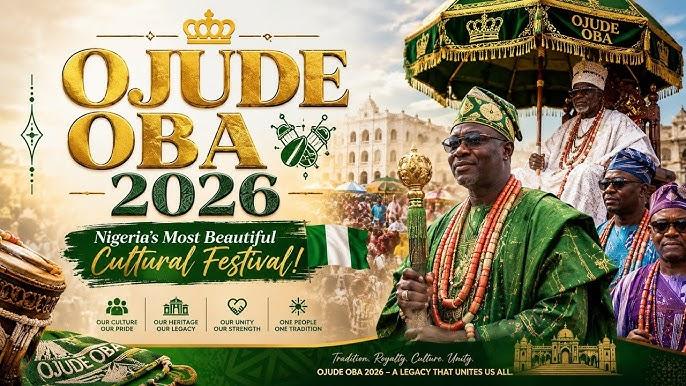
The city of Ijebu-Ode came alive on Friday, May 29, 2026, as thousands of people gathered at the Awujale Palace for the annual Ojude Oba Festival, one of Nigeria’s most celebrated cultural events.
From the first beat of the talking drums to the final horse parade, the atmosphere was nothing short of extraordinary. The streets surrounding the palace overflowed with vibrant colors, cultural pride, and a powerful sense of belonging as sons and daughters of Ijebuland, alongside visitors from across Nigeria and the diaspora, came together to celebrate their shared heritage.
This year’s festival carried special emotional significance. Held under the theme “The Global Homecoming,” the 2026 edition honored the enduring legacy of the late Awujale of Ijebuland, Oba Sikiru Adetona, whose influence helped transform Ojude Oba into a globally recognized celebration of Yoruba culture.
A Festival Rooted in Tradition
For generations, the Ojude Oba Festival has served as a symbol of unity and respect in Ijebuland. What began as a gathering to pay homage to the Awujale has evolved into one of the most important cultural events in Nigeria.
The 2026 edition demonstrated why the festival continues to capture international attention. Every aspect of the celebration reflected the rich traditions, values, and identity of the Ijebu people.
Visitors were treated to a remarkable display of culture, fashion, music, and community spirit that transformed the palace grounds into a living museum of Yoruba heritage.
The Regberegbe Groups Stole the Show
One of the most anticipated moments of the festival was the appearance of the Regberegbe groups, the age-grade associations that have become synonymous with Ojude Oba.
Dressed in coordinated outfits featuring luxurious fabrics and intricate designs, each group made a grand entrance before the Awujale’s palace. The visual spectacle was breathtaking.
Shades of royal blue, emerald green, gold, burgundy, and ivory swept across the arena as members proudly showcased their group’s identity and creativity. Spectators responded with cheers and applause, while photographers worked tirelessly to capture some of the festival’s most memorable images.
The Regberegbe parade once again demonstrated why it remains one of the defining features of Ojude Oba.
The Majestic Balogun Horse Riders Delivered Another Iconic Performance
If the Regberegbe groups brought elegance, the Balogun horse riders brought drama and excitement.
Representing historic warrior families, the riders arrived on beautifully decorated horses adorned with colorful accessories and traditional regalia. Their entrance immediately energized the crowd.
As the horses galloped through the parade grounds, the thunder of hooves blended with the rhythm of traditional drums, creating one of the festival’s most captivating moments.
The horse parade remains one of the most iconic symbols of Ojude Oba and a powerful reminder of Ijebuland’s rich history.
Fashion Took Center Stage
Few cultural events in Africa showcase traditional fashion as spectacularly as Ojude Oba.
The 2026 edition featured stunning displays of Aso Oke, embroidered agbadas, elaborate gele headpieces, and handcrafted accessories that highlighted the beauty and sophistication of Yoruba fashion.
Families coordinated their attire with remarkable precision, turning the festival grounds into an open-air exhibition of style and cultural expression.
Social media platforms were flooded with photographs from the event, further cementing Ojude Oba’s reputation as one of Nigeria’s most fashionable cultural gatherings.
A Powerful Tribute to Oba Sikiru Adetona
Beyond the pageantry and celebrations, the festival served as a heartfelt tribute to the late Oba Sikiru Adetona.
Throughout the event, speakers, community leaders, and attendees reflected on the monarch’s contributions to Ijebuland and his role in preserving cultural traditions while promoting development and progress.
The theme, “The Global Homecoming,” resonated strongly with many participants, particularly members of the diaspora who returned to reconnect with their roots and honor a king whose leadership left an indelible mark on the community.
His presence was felt not only in speeches and tributes but also in the pride and unity displayed throughout the festival.
A Celebration of Unity and Shared Identity
One of the most remarkable aspects of the 2026 Ojude Oba Festival was its continued demonstration of interfaith harmony.
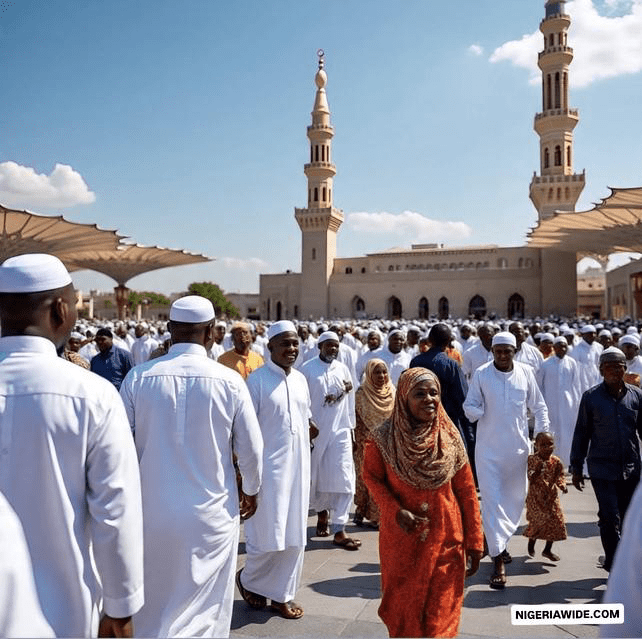
People from different religious and social backgrounds gathered peacefully to celebrate a common heritage. Muslims, Christians, and traditional worshippers participated side by side, reinforcing the festival’s reputation as a symbol of unity.
In a time when cultural connections matter more than ever, Ojude Oba once again proved the power of tradition to bring people together.
Why Ojude Oba Continues to Matter
The success of the Ojude Oba Festival 2026 highlights the growing importance of cultural preservation in modern Nigeria.
More than a colorful celebration, the festival serves as a bridge between generations, connecting young people with their history while giving older generations an opportunity to pass on traditions and values.
For many attendees, the event was a reminder that cultural identity remains one of the strongest foundations of community and belonging.
Looking Back on Ojude Oba 2026
As the crowds gradually dispersed and the music faded from the palace grounds, one thing was clear: the 2026 Ojude Oba Festival had once again delivered an unforgettable celebration of culture, history, and unity.
Through the elegance of the Regberegbe groups, the grandeur of the Balogun horse riders, and the heartfelt tributes to Oba Sikiru Adetona, the festival reinforced its place among the most significant cultural events in Africa.
For those who attended, it was a day of pride and remembrance. For those who followed from afar, it offered a powerful reminder that the spirit of Ijebuland continues to thrive, generation after generation.

Add Comment