

- October 1, 2026
- 7
- Culture
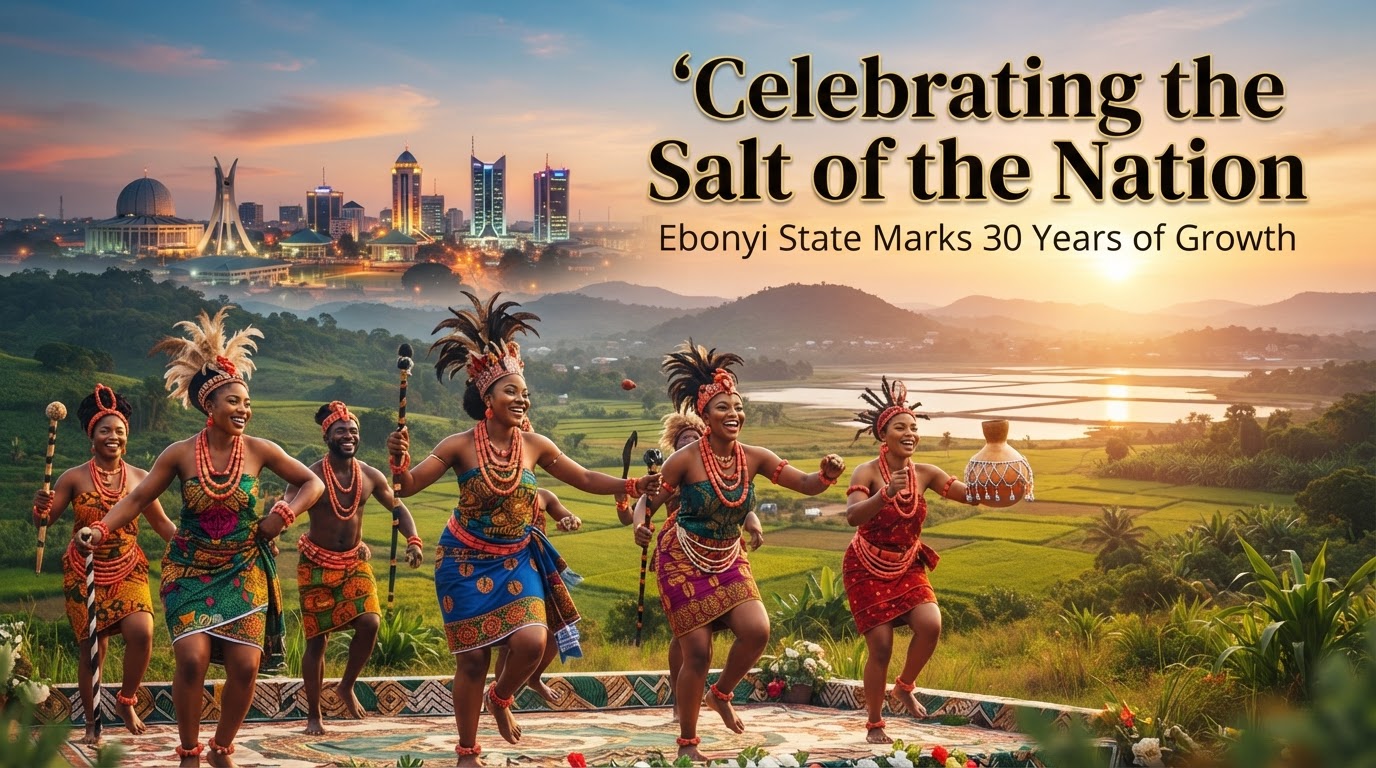
Mist rolls over the hills of Ado-Ekiti this October 1st morning, kissing the green canopies and wrapping the university town in a cool, contemplative embrace. They say Ekiti produces the highest number of professors per capita. It isn’t just a rumor; it’s a culture.
Thirty years ago, on October 1, 1996, General Sani Abacha signed the fiat that carved Ekiti State out of old Ondo State. The joy that erupted across the streets back then was deafening—the culmination of decades of passionate advocacy by local elders, traditional rulers, and intellectuals who wanted their administrative destiny in their own hands.
The Land of Honour and Professors
To understand the Land of Honour (Ile Iyi, Ile Eye), you must understand the cultural obsession with integrity and books.
Parents here would rather skip meals than miss school fees. This fierce prioritization of education turned the state into a legendary incubator of world-class academics, judges, literary icons, and technocrats. If you throw a stone in any Nigerian university lecture hall, it is almost guaranteed to hit an Ekiti indigene holding a chalkboard or a research grant. Intellectual rigor is the state’s primary export.
Geography, Hills, and Wonders
The name Ekiti itself derives from Okiti, meaning hills. The landscape is a breathtaking postcard of rolling green mounds, giant granite boulders, and hidden valleys.
No journey through the state is complete without visiting the world-famous Ikogosi Warm Springs, where warm and cold water flow from the same source side by side without mixing—a geological wonder that draws tourists from across the globe. Cascading waterfalls like Arinta and the ancient cultural sites scattered across Ado, Ikole, and Ijero remind visitors that this land is blessed by nature.
Infrastructure and Modern Milestones
In 1996, the newly born state had rudimentary road networks and limited public infrastructure. Today, it is tightly integrated.
Advancements like the Ekiti State Knowledge Zone (EKZ) are transforming the economy toward digital innovation and tech entrepreneurship. Healthcare upgrades have modernized rural clinics, while the recently constructed Ekiti State Agro-Allied Cargo Airport aims to fly local cash crops directly to international markets, cutting out middlemen and boosting farmer earnings.
Cultural Roots and Local Flavors
Tradition holds firm here. The Pelupelu traditional rulers—the elite council of paramount kings—preserve peace and customs with dignified authority.
When it comes to the palate, nothing unites the people quite like authentic Iyan (pounded yam) served with steaming, pepper-rich Egusi or Efo Riro. Pounded yam is not merely food here; it is an art form, a symbol of communal hospitality, and the centerpiece of every meaningful celebration.
The Next Chapter
Under Governor Biodun Oyebanji, the state is deliberately pivoting away from being a mere civil service economy. Tech hubs are training local youth in coding and AI. Agricultural value chains are expanding. The transition is clear: preserve the intellectual heritage while building a modern, private-sector-driven economic engine.
Conclusion
Ekiti at thirty stands tall. The hills remain, the scholars keep reading, and the honor remains uncompromised. To every Ekiti son and daughter worldwide, keep flying the flag high. Happy 30th anniversary!
Want to trace the 30-year political and economic evolution of the state? Click here to learn more about its history. Or, if you are planning a trip and looking for local adventures, click here to discover the best of the state.


Add Comment