
- May 28, 2025
- 5461
- Economy
ADVERTISEMENT
Nigeria’s diverse landscape is dotted with states exhibiting varying degrees of development, heavily influenced by economic factors, human capital, infrastructure, and governance. As of 2026, a few states consistently stand out as leaders in the nation’s progress, driven by their unique strengths, fiscal resilience, and strategic initiatives.
Here are the top 5 states in Nigeria, ranked by a blend of economic output (GDP), infrastructure deployment, human development, and overall investment appeal:
1. Lagos State: The Unstoppable Economic Megacity
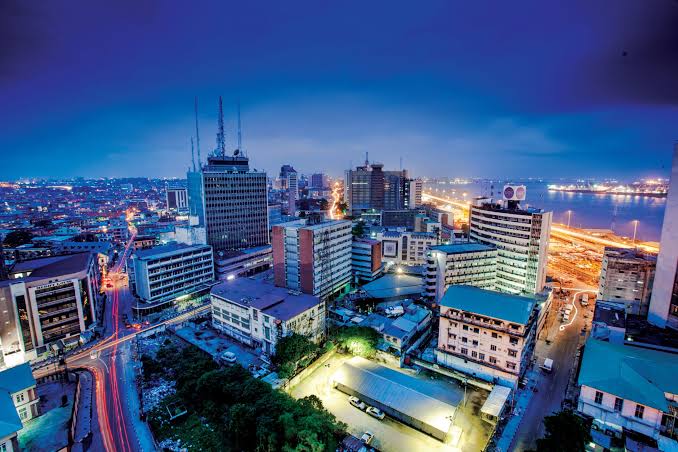
Lagos State firmly retains its crown as Nigeria’s most developed and economically dominant state. Defying broader macroeconomic headwinds, Lagos’s nominal GDP has surged dramatically, reaching an estimated ₦66.47 trillion for the current fiscal cycle, with official economic planning forecasts targeting a staggering ₦73.15 trillion heading into the next year. If Lagos were an independent country, it would comfortably rank among Africa’s top 5 largest economies.
As the undisputed commercial and financial heart of West Africa, its service-driven economy thrives on tech startups, real estate, manufacturing, and entertainment. The Sanwo-Olu administration’s relentless execution of the T.H.E.M.E.S+ Agenda has seen massive structural turnouts—including fully operational multi-line urban rail networks, advanced tech hubs, and expansive deep sea port logistics. Boasting an unmatched Internally Generated Revenue (IGR) that hit ₦1.87 trillion, Lagos remains the benchmark for independent fiscal sustainability and rapid modernization in Nigeria.
2. Rivers State: The Petro-Economy Giant
Rivers State, anchored by its vibrant capital city of Port Harcourt, remains a foundational pillar of the Nigerian national economy. Backed by an estimated GDP of ₦7.96 trillion (approximately $19.27 billion USD), the state commands a massive footprint in local and foreign direct investment thanks to its deep oil and gas reserves.
Under Governor Sim Fubara, the state has entered a new phase of intense infrastructural deployment, passing a landmark ₦1.854 trillion budget heavily weighted toward massive capital expenditure. The ongoing construction of the expansive Port Harcourt Ring Road project, alongside vast investments in power generation, healthcare, and standard education networks, is steadily reshaping the state’s urban landscape. Beyond crude oil, Rivers continues to aggressively scale its commercial agriculture, maritime trade routes, and manufacturing hubs to safeguard long-term economic resilience.
3. Akwa Ibom State: The South-South Infrastructure Pearl
Akwa Ibom State has officially cemented its place as one of the most structurally progressive states in Nigeria. With a soaring GDP hovering at ₦7.77 trillion ($19.25 billion USD), it is neck-and-neck with Rivers State for economic supremacy in the Niger Delta region. However, Akwa Ibom sets itself apart globally through masterful urban planning and possessing what is widely recognized as the finest, most seamless road network in the federation.
The state’s economic model leverages “non-oil” integration. Massive investments in state-owned aviation (Ibom Air), dedicated agribusinesses, and smart city technology have drastically improved its local productivity, yielding a high GDP per capita of $2,962. The completion of advanced international airport terminals, industrial expansion zones, and luxury tourism facilities makes Uyo a premium destination for corporate investors and new residents alike.
4. Imo State: The Eastern Engine of Commerce & Education
Imo State continues to experience a powerful wave of economic growth, holding down its ranking with an estimated GDP of ₦7.68 trillion. Positioned as the central commercial hub of the South-East geopolitical zone, Imo successfully balances a mix of natural oil reserves with a heavily consumer-facing service economy.
Owerri has transformed into one of the fastest-growing urban landscapes in eastern Nigeria, driven by a bustling real estate sector and hospitality market. Imo’s greatest asset remains its exceptional human capital; the state features one of the highest densities of tertiary institutions in Nigeria, turning out a highly skilled, tech-literate workforce. Ongoing expansions of regional trade links, improved inner-city road systems, and agricultural incentives continue to secure its competitive economic position.
5. Delta State: The Resource-Rich Growth Hub
Delta State rounds out the top five with an economic output valued at ₦6.19 trillion. Geographically positioned as a vital maritime and industrial corridor, Delta’s dual-hub economy—thriving across the commercial city of Warri and the rapidly growing capital of Asaba—drives substantial progress outside the oil sector alone.
Delta consistently commands one of the highest monthly federal allocation shares (FAAC) in the country, which it has actively channeled into dual-carriage highway networks, local airport upgrades, and community healthcare initiatives. Crucially, targeted wealth-distribution programs and aggressive investments in micro-business sectors have allowed Delta State to maintain one of the lowest poverty indexes in the country, showcasing sustainable development in real-time.
The Future of Nigerian Progress: Exploring Local Innovation
These five states represent the absolute vanguard of Nigeria’s development, showcasing diverse economic engines, remarkable infrastructure transformations, and an unyielding commitment to raising the standard of living for their residents. As the national landscape changes rapidly in 2026, the ongoing growth, digital evolution, and strategic expansion of these sub-nationals will remain entirely instrumental in shaping Nigeria’s future on the global stage.
Whether you are looking to tap into the booming tech ecosystem of Lagos, explore real estate opportunities in Port Harcourt, or expand your corporate footprint into the seamless infrastructure of Akwa Ibom, finding verified businesses in these economic powerhouses is essential.
👉 Ready to connect with the best of Nigeria? Head over to our Nigeriawide Business Directory to explore verified local businesses, top-tier services, and premier premium venues across these rising states right now!


Add Comment