
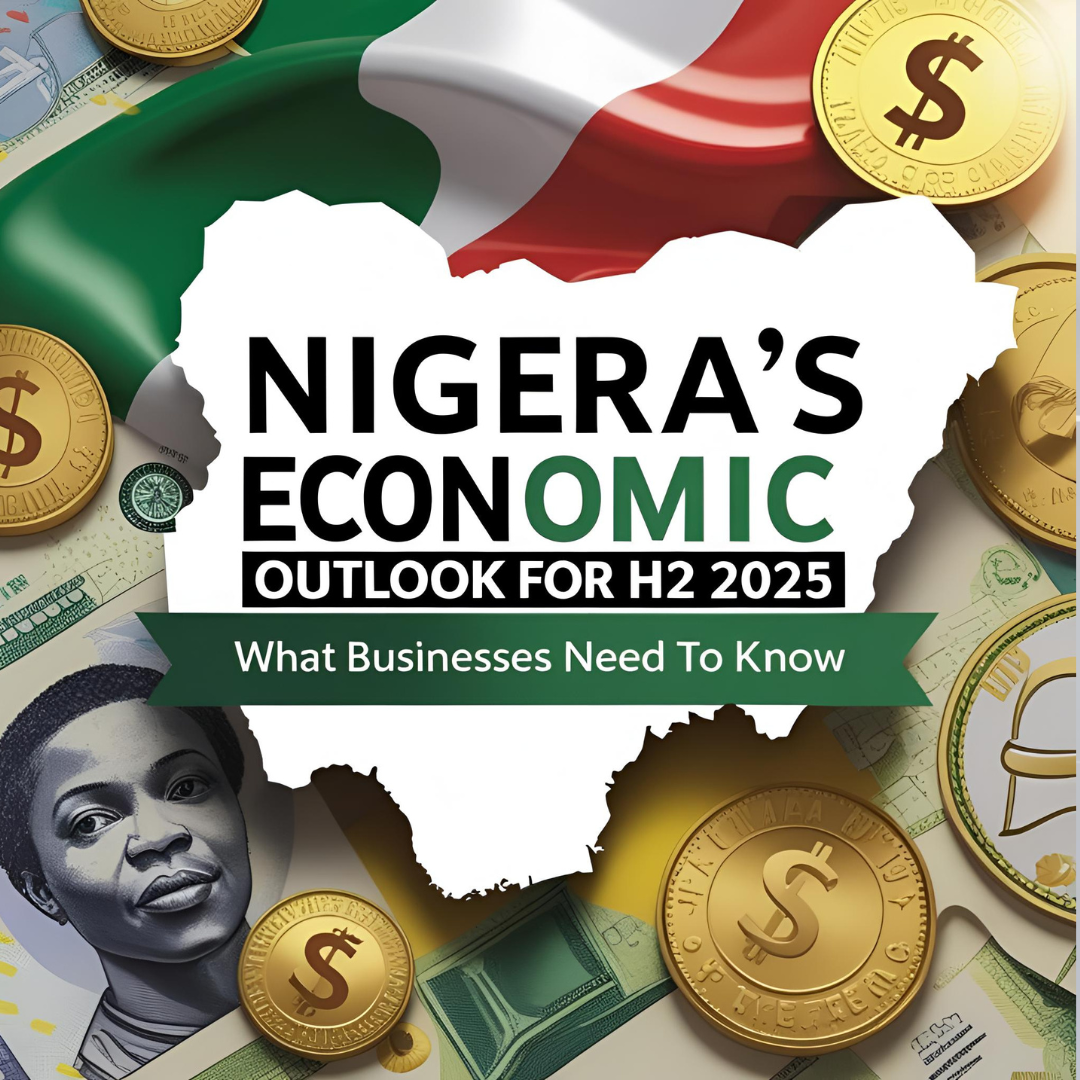
Nigeria’s economy has been on a roller coaster in recent years, marked by ambitious reforms, persistent challenges, and emerging opportunities. As we enter the second half of 2025, businesses operating or looking to invest in Africa’s largest economy need a clear understanding of the macroeconomic landscape. This article delves into the key economic indicators, government policies, challenges, and opportunities that will shape Nigeria’s business environment in H2 2025.
Macroeconomic Snapshot: A Mixed Bag of Progress and Persistence
The first half of 2025 has seen some shifts, and the outlook for the remainder of the year is a blend of cautious optimism and continued vigilance.
- GDP Growth: Nigeria’s GDP growth has shown promising signs. While some forecasts predict a sluggish 2025 due to low productivity and investment, others, like the World Bank, project an average of 3.4% full-year growth for 2024, the strongest non-COVID performance since 2014, with expectations of continued improvement into 2025. Businesses can anticipate a moderate growth environment, primarily driven by the services sector, though its job creation capacity may remain limited.
- Inflation: Inflation remains a significant concern. While there have been some temporary moderations in early 2025, inflation is projected to remain stubbornly high. The IMF projects an average of 26.5% for 2025, while the World Bank is slightly more optimistic at 22.1%. Veriv Africa, in a base-case scenario, projects an average of 34.52%. Businesses must continue to factor in high operating costs and reduced consumer purchasing power.
- Exchange Rate Stability: The Naira has seen some efforts towards stabilization. The CBN’s interventions have led to some stability, with the currency hovering around N1,500/US$1 to N1,600/US$1 in early 2025. While volatility is still a risk, particularly in a worst-case scenario where the Naira could trade between N1930-N2000/US$, stronger foreign exchange inflows are expected to provide some support, potentially bringing the Naira to around N1370/US$ in an optimistic scenario. This stability is crucial for import-dependent businesses and investor confidence.
- Monetary Policy: The Central Bank of Nigeria (CBN) has maintained a tight monetary policy stance, holding the Monetary Policy Rate (MPR) at 27.50% as of May 2025. While the CBN’s primary focus remains on anchoring inflation expectations and easing exchange rate pressure, some analysts anticipate a minor cut in interest rates (50-75 basis points) in H2 2025, provided inflation moderates further. Businesses should brace for continued high borrowing costs, though potential easing could offer some relief.
- Oil Production: Improved crude oil production, with expectations of reaching an average of 2.1 million barrels per day (mbpd) in 2025, is a positive sign for foreign exchange inflows and government revenue.
Key Government Policies and Their Impact
The Nigerian government’s reform agenda continues to shape the business landscape.
- Fiscal Reforms: The government is focused on managing fiscal deficits through tax reforms and increased revenue generation. The introduction of new withholding tax laws and the Digital Services Tax (DST) on foreign tech companies aim to broaden the tax base. Businesses should be aware of evolving tax obligations and potential new levies.
- Energy Sector Reforms: Ongoing reforms in the energy sector, including efforts to address fuel subsidies and invest in renewable energy, aim to improve electricity generation and distribution. The full operation of the Dangote Refinery is expected to stabilize local fuel supply, potentially benefiting industries reliant on petroleum. However, recent electricity tariff surges for certain customer bands will increase production costs for affected businesses.
- Monetary Policy Adjustments: The CBN’s focus on narrowing the gap between official and parallel market exchange rates, along with efforts to boost local production and reduce foreign currency demand, will continue to influence market dynamics.
- Corporate Governance and ESG: There’s an increased focus on Environmental, Social, and Governance (ESG) practices, with new sustainability disclosure standards being adopted. Businesses will face growing demands for transparent reporting on social and environmental outcomes. Board diversity and inclusion are also gaining prominence.
Challenges for Businesses in H2 2025
Despite the positive outlook in certain areas, businesses will continue to grapple with a range of challenges:
- High Inflation and Cost of Living: Persistent high inflation erodes consumer purchasing power and increases operational costs for businesses, especially those dependent on imported raw materials. Food inflation remains a significant driver.
- Access to Affordable Credit: Despite potential rate cuts, commercial lending rates are likely to remain high due to the CBN’s tight monetary stance and the high Cash Reserve Ratio (CRR), impeding real sector growth, particularly for MSMEs.
- Infrastructure Deficit: Inadequate infrastructure, particularly in power, transportation, and digital connectivity, continues to undermine business competitiveness and escalate operating costs.
- Foreign Exchange Volatility: While efforts are being made to stabilize the Naira, the risk of exchange rate depreciation persists, impacting import costs and supply chains.
- Security Concerns: Insecurity in various parts of the country continues to pose a threat to business operations, supply chains, and overall investment confidence.
- Policy Implementation Gaps: The quality of policy execution remains crucial. Inefficient implementation of reforms can limit growth and hinder the desired economic stabilization.
Opportunities for Businesses in H2 2025
Amidst the challenges, Nigeria presents significant opportunities for agile and innovative businesses:
- Large Consumer Market: Nigeria’s large and growing population continues to represent a vast consumer market, driving demand in various sectors.
- Digital Economy Expansion: The technology and telecommunications sector is a significant growth driver, with opportunities in fintech, e-commerce, digital services, software development, streaming services, online education, and telemedicine. Increased internet penetration and the rise of remote work create demand for cybersecurity and cloud-based solutions.
- Agriculture and Agro-processing: With a focus on food security and export diversification, the agricultural sector is ripe for investment, particularly in precision farming, supply chain optimization, and agri-tech platforms. Agro-processing offers significant value-addition opportunities.
- Manufacturing: Government policies and infrastructure development efforts aim to enhance industrial production. Businesses focusing on local manufacturing can capitalize on the drive to reduce reliance on imports.
- Renewable Energy: Given inconsistent electricity supply, there’s a growing demand for solar panel installations and other renewable energy solutions. This sector presents a sustainable and profitable business opportunity.
- Financial Services: The financial sector is undergoing significant digital transformation, with opportunities in digital banking, mobile payment platforms, and fintech, especially in areas like micro-lending and financial inclusion.
- Infrastructure and Real Estate: Urbanization and a growing population continue to fuel the demand for real estate development and infrastructure projects.
- Government Support Programs: Various programs aimed at empowering entrepreneurs and SMEs, particularly women-led businesses, offer training, market access, and financial literacy support.
Strategic Imperatives for Businesses
To navigate H2 2025 successfully, businesses in Nigeria should consider these strategic imperatives:
- Adapt Business Models: Be agile and customer-centric, focusing on value creation in an evolving market.
- Optimize Costs: Strategically rethink costs by aligning spending with core capabilities and investing in areas that drive competitive advantage.
- Embrace Digital Transformation: Leverage emerging technologies, digital platforms, and AI-driven solutions to innovate processes, enhance customer experiences, and drive efficiency.
- Re-evaluate Funding Strategies: Explore innovative financing options and optimize capital allocation for sustainable growth.
- Focus on Local Sourcing: Mitigate the impact of exchange rate volatility by increasing reliance on local raw materials and production.
- Prioritize Regulatory Compliance: Stay informed about evolving regulations, especially in taxation, data protection, and corporate governance.
- Invest in Talent Development: Build critical skills within your workforce and foster a culture of innovation to adapt to changing market demands.
Conclusion
Nigeria’s economic outlook for H2 2025 is characterized by ongoing reforms, persistent inflationary pressures, and a push for greater macroeconomic stability. While challenges remain, particularly in managing inflation and ensuring stable access to foreign exchange, significant opportunities exist in key sectors like technology, agriculture, manufacturing, and renewable energy. Businesses that demonstrate adaptability, strategic foresight, and a commitment to local value creation will be best positioned to thrive in Nigeria’s dynamic economic landscape.



Add Comment