
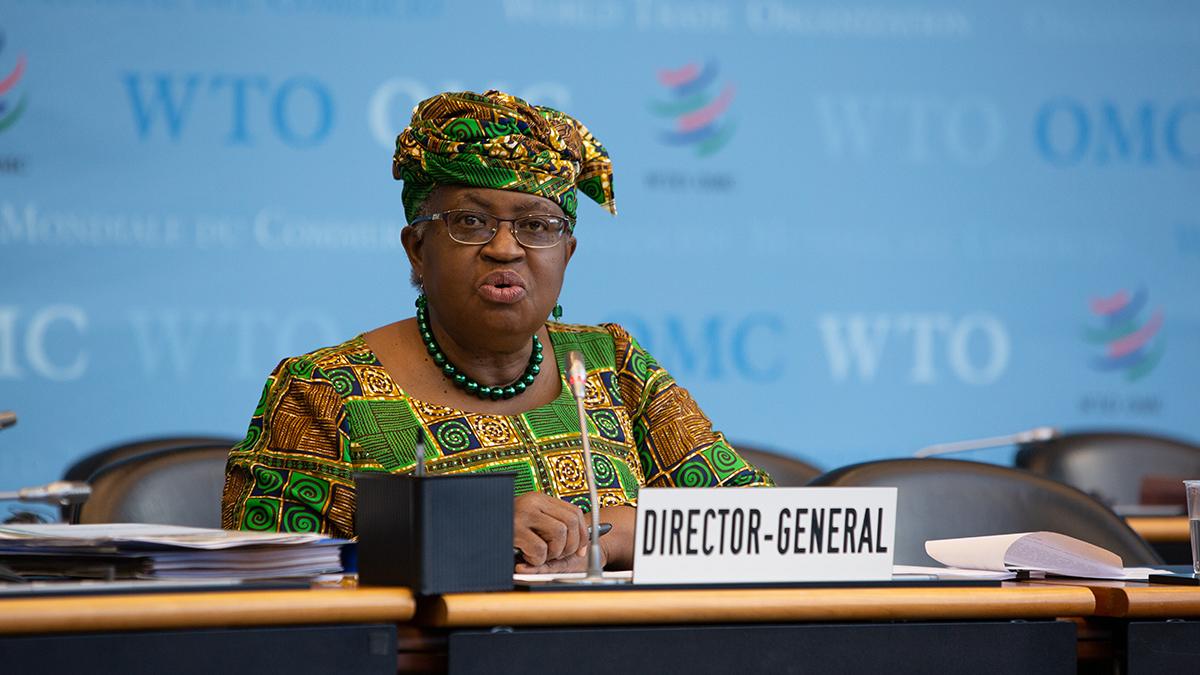
Few Nigerians have achieved global influence in economics and international policy like Ngozi Okonjo-Iweala.
From serving as Nigeria’s first female finance minister to leading the world’s most important trade body, her journey represents one of the most inspiring success stories in modern African leadership.
Today, as the Director-General of the World Trade Organization, Okonjo-Iweala has become one of the most influential voices in global economic policy — advocating for fair trade, economic development, and global cooperation.
But her rise to international prominence began long before she stepped onto the world stage.
From Nigeria to the World of Global Economics
Ngozi Okonjo-Iweala was born in Nigeria and raised in a family that valued education and leadership. Her father was a respected traditional leader, which exposed her early to governance and public service.
Her academic journey eventually took her to the United States, where she studied economics at the prestigious Harvard University before earning a doctorate from Massachusetts Institute of Technology.
These academic achievements opened the door to a remarkable international career.
She later joined the World Bank, where she spent more than two decades working on economic development and poverty reduction programs across different regions.
During her time there, she rose to become Managing Director, one of the highest positions in the institution.
Making History as Nigeria’s First Female Finance Minister
Okonjo-Iweala returned to Nigeria to serve in government, making history when she became the country’s first female finance minister.
She served under former Nigerian president Olusegun Obasanjo and later again under Goodluck Jonathan.
During her tenure, she led several economic reforms aimed at improving Nigeria’s financial stability and global economic standing.
One of her most notable achievements was negotiating the historic cancellation of Nigeria’s external debt with the Paris Club in 2005.
This deal eliminated approximately $18 billion of Nigeria’s debt, freeing the country from a financial burden that had lasted for decades.
The agreement was widely regarded as one of the most important economic breakthroughs in Nigeria’s modern history.
Fighting Corruption and Promoting Transparency
Throughout her time in government, Okonjo-Iweala became known for her strong stance against corruption and financial mismanagement.
She pushed for greater transparency in government spending and implemented reforms to strengthen Nigeria’s public financial management system.
Her efforts helped introduce policies that improved accountability and reduced opportunities for misuse of public funds.
Although these reforms often faced political resistance, she remained committed to building stronger institutions and improving Nigeria’s economic governance.
Becoming the First African to Lead the WTO
In 2021, Ngozi Okonjo-Iweala achieved another historic milestone when she was appointed Director-General of the World Trade Organization.
Her appointment made her:
- The first African to lead the WTO
- The first woman to hold the position
As the head of the organization responsible for regulating global trade rules, she plays a crucial role in addressing economic challenges affecting countries worldwide.
Her leadership has focused on major issues such as:
- Reforming global trade systems
- Supporting developing economies
- Strengthening supply chains
- Expanding access to vaccines and medical supplies during global crises
Her ability to bring together diverse nations with competing interests has made her one of the most respected figures in international economics.
A Global Voice for Africa
Beyond her official roles, Okonjo-Iweala has become a powerful advocate for Africa’s economic development.
She frequently highlights the importance of:
- Trade opportunities for African countries
- Industrial growth on the continent
- Investment in infrastructure and technology
Her leadership has helped bring African perspectives into global economic discussions that were traditionally dominated by Western nations.
For many young Africans, she represents proof that leadership from the continent can influence decisions at the highest levels of global governance.
Inspiring Women in Leadership
Ngozi Okonjo-Iweala’s achievements have also made her a role model for women across the world.
In fields like economics, finance, and international policy — traditionally dominated by men — she has consistently broken barriers and proven that women can lead global institutions successfully.
Her journey continues to inspire women pursuing careers in:
- Economics
- Politics
- International development
- Global diplomacy
Why Her Leadership Still Matters
In an increasingly interconnected world, global trade policies affect everything from food prices to job creation.
As the head of the World Trade Organization, Okonjo-Iweala plays a vital role in shaping policies that influence economies across continents.
Her ability to balance economic growth with fairness and cooperation has made her an important voice in addressing global challenges such as:
- Trade inequality
- Supply chain disruptions
- Economic recovery after global crises
For Nigeria, her success represents a powerful symbol of the country’s intellectual and leadership contributions to the world.
Final Thoughts
Ngozi Okonjo-Iweala’s journey from Nigeria to the highest levels of global economic leadership is a story of determination, expertise, and resilience.
From negotiating Nigeria’s historic debt relief to leading the World Trade Organization, she has consistently demonstrated the power of visionary leadership.
Today, she stands not only as one of Nigeria’s most accomplished public figures but also as a respected voice shaping the future of global trade.
And for many Nigerians, her achievements remain a source of pride and inspiration for generations to come.



Add Comment