
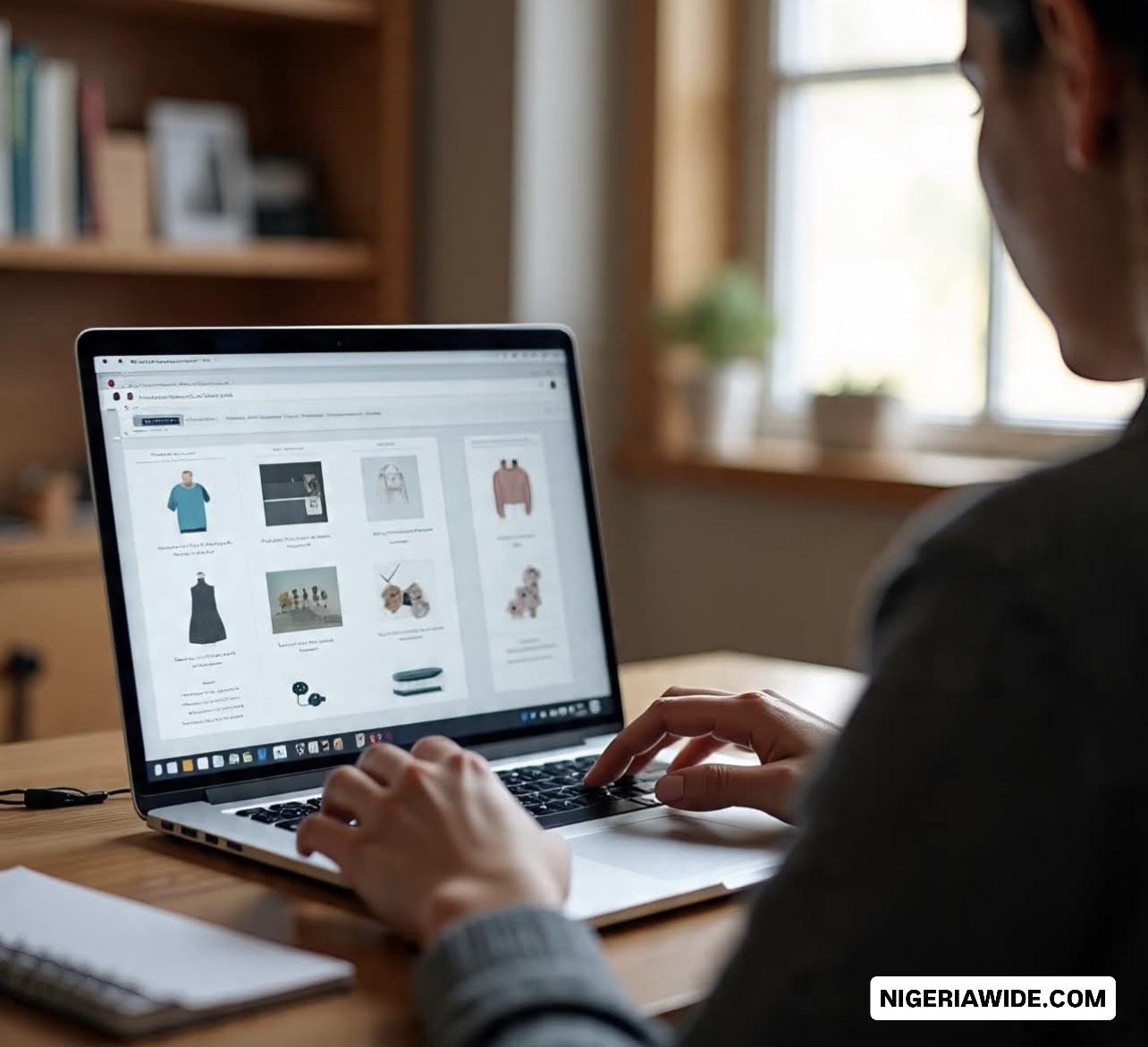
Starting an e-commerce business in Nigeria is no longer just an idea—it’s one of the most practical and profitable ways to build a sustainable income in today’s digital economy. With millions of Nigerians shopping online daily and internet penetration increasing rapidly, the opportunity has never been better.
Whether you want to sell fashion, electronics, beauty products, or digital goods, this step-by-step guide will walk you through everything you need to launch and grow a successful e-commerce business in Nigeria.
Why E-commerce is Booming in Nigeria
Nigeria is Africa’s largest economy and one of the fastest-growing digital markets. Platforms like Jumia and Konga have proven that Nigerians are willing to shop online when convenience and trust are guaranteed.
Several factors are driving this growth:
- Increased smartphone usage
- Better internet access
- Growth of digital payments
- Busy lifestyles demanding convenience
This means even small businesses can now reach customers across the country without owning a physical shop.
Step-by-Step Guide to Starting Your E-commerce Business
Step 1: Choose a Profitable Niche
The first step is deciding what to sell. Don’t try to sell everything—focus on a specific niche where you can stand out.
Popular niches in Nigeria include:
- Fashion and accessories
- Beauty and skincare
- Electronics and gadgets
- Health and fitness products
- Baby products
Choose a niche with strong demand but manageable competition. Validate your idea by checking what’s trending on platforms like Jumia or social media marketplaces.
Step 2: Source Your Products
You can get your products in several ways:
- Buying in bulk from local markets
- Importing from China via platforms like Alibaba
- Dropshipping (selling without holding inventory)
If you’re just starting, dropshipping or small inventory is safer to reduce risk.
Step 3: Register Your Business
To build trust and operate legally, register your business with the Corporate Affairs Commission.
This gives you:
- Legal recognition
- Access to business bank accounts
- Better credibility with customers
You can also create a simple brand name and logo to stand out.
Step 4: Create Your Online Store
Your online store is your digital shop. You have two main options:
1. Marketplace Selling
Sell on platforms like Jumia or Konga. This is easier but comes with fees and competition.
2. Your Own Website
Build your own store using platforms like:
- Shopify
- WooCommerce
Having your own website gives you full control and higher profit margins.
Step 5: Set Up Payment Methods
You need a secure way to collect payments. Popular payment solutions in Nigeria include:
- Paystack
- Flutterwave
Make sure you offer multiple options such as:
- Debit/credit cards
- Bank transfers
- Pay on delivery (optional but still popular in Nigeria)
Step 6: Partner with Reliable Logistics Companies
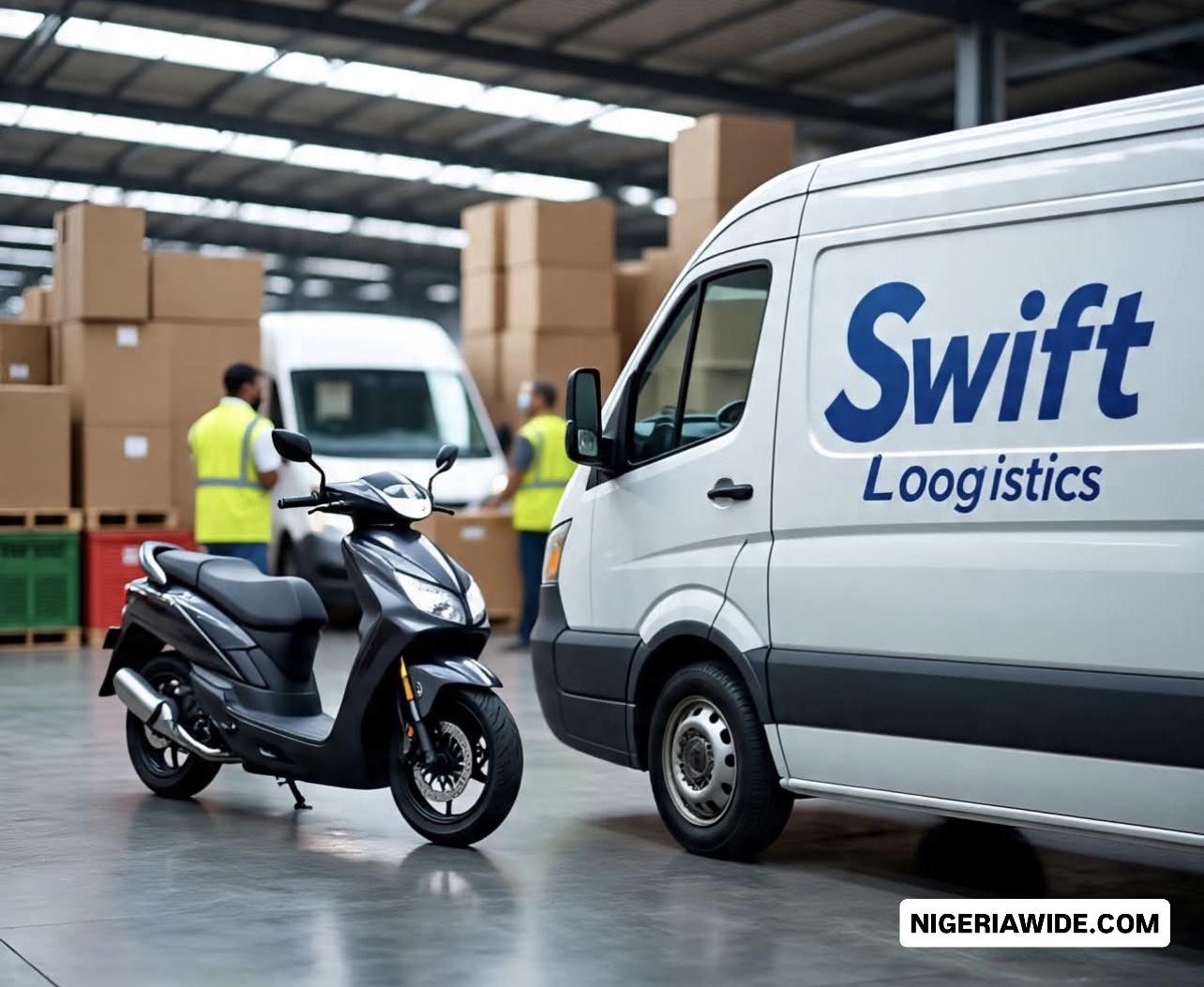
Delivery is one of the most critical parts of your business. Poor logistics can ruin customer experience.
Work with trusted logistics providers like:
- GIG Logistics
- Speedaf Express
- DHL
If you want a full breakdown of the best delivery services, read:
👉 Best Logistics Companies in Nigeria
Step 7: Build Your Brand and Online Presence
To succeed in e-commerce, visibility is everything. Start by:
- Creating social media pages (Instagram, Facebook, TikTok)
- Posting high-quality product images
- Running ads to attract customers
Consistency and trust are key. Respond to customers quickly and maintain a professional image.
Step 8: Market Your Products
Marketing is what drives sales. Without it, even the best products won’t sell.
Focus on:
- Social media advertising
- Influencer marketing
- Search Engine Optimization (SEO)
- Email marketing
You can also learn more about digital trends from platforms like
👉 https://www.statista.com/topics/1145/e-commerce-in-nigeria/
This helps you understand customer behavior and market growth.
Step 9: Deliver Excellent Customer Service
Customer service can make or break your business.
Always:
- Respond quickly to inquiries
- Deliver orders on time
- Handle complaints professionally
Happy customers will refer others and help your business grow organically.
Final Thoughts
Starting an e-commerce business in Nigeria is one of the smartest moves you can make in 2026. With low startup costs, flexible operations, and massive growth potential, it offers opportunities for both beginners and experienced entrepreneurs.
The key is to start small, stay consistent, and continuously improve your processes—from product sourcing to delivery and customer service.
If you follow the steps in this guide, you won’t just start an e-commerce business—you’ll build a brand that can grow and compete in Nigeria’s digital marketplace.
For more insights, Nigeriawide.com also covers related topics such as How to Start an Import Business in Nigeria, and How to Export Goods from Nigeria


Add Comment